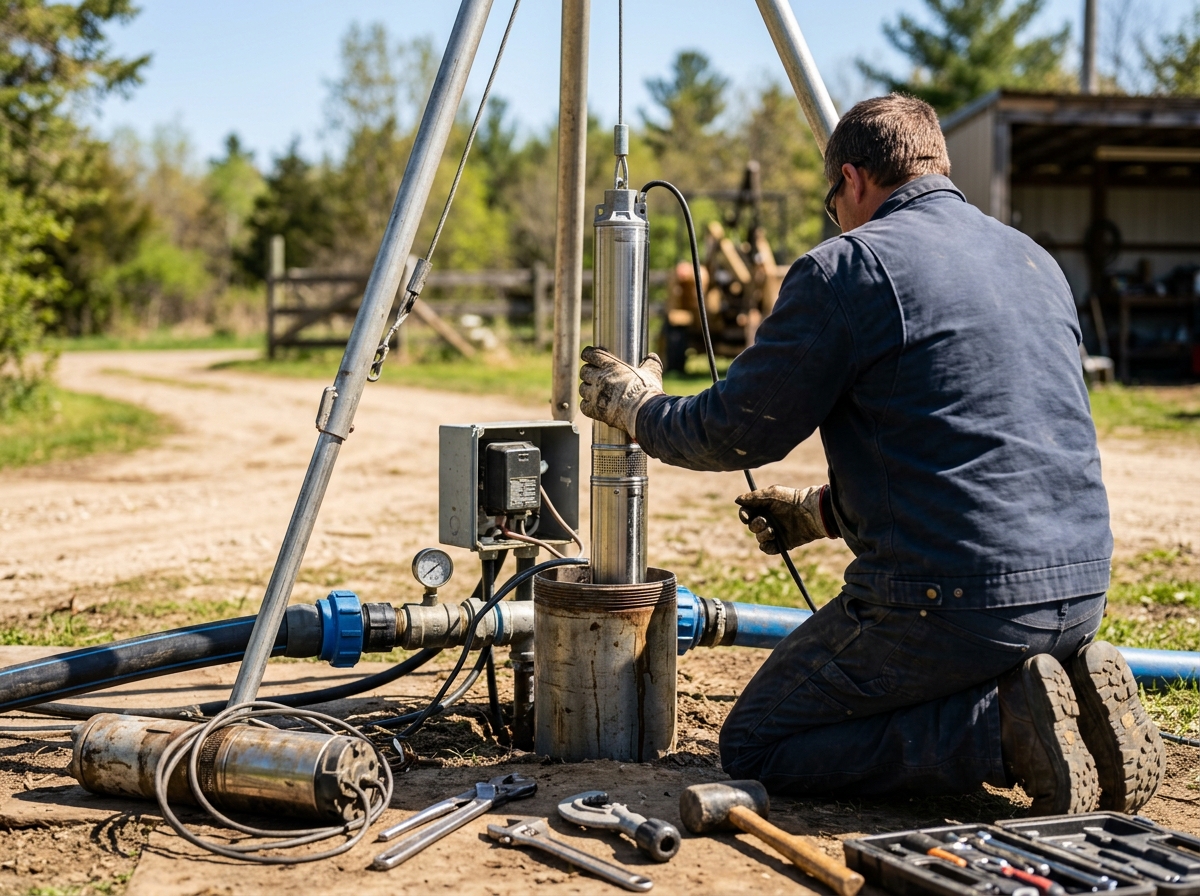
Pump replacement and repair in Gowen, MI: A Complete Guide
Your well pump is the heart of your water system. When it fails, you're left without water, which can disrupt your entire household or business. Whether you're dealing with a pump that's lost pressure, makes strange noises, or has simply stopped working, understanding your options is the first step toward getting reliable water service back. Pump replacement and repair isn't always straightforward. The right solution depends on your pump's age, the specific problem, and your long-term needs. This guide covers everything you need to know about well pump issues in Gowen and the surrounding areas of Kent County and Montcalm County, including when to repair versus replace, common warning signs, and what to expect from professional service.
Understanding Your Well Pump System
A typical well pump system includes several key components: the pump itself, the pressure tank, check valves, and the electrical controls. Each part plays a role in delivering consistent water pressure to your home or business.
Submersible pumps sit below the water table inside your well, while jet pumps are installed above ground. Both types can develop problems over time. The pump's job is to lift water from your well and pressurize it for distribution throughout your property. When any component fails, your entire water supply is affected.
Understanding how your system works helps you communicate problems to a professional and recognize when something needs attention. Most well pumps last 15 to 20 years with proper maintenance, though some may fail earlier due to poor water quality, electrical issues, or mechanical wear.
Common Signs Your Well Pump Needs Service
Recognizing pump problems early can prevent complete system failure. Here are the most common warning signs that your pump needs attention:
Loss of Water Pressure: If your faucets produce weak streams or pressure fluctuates throughout the day, your pump may be struggling. This could indicate a worn impeller, a clogged intake, or a failing pressure tank.
Cycling On and Off Frequently: A pump that constantly cycles on and off, sometimes called "short cycling," suggests the pressure tank may be waterlogged or the pump itself is weakening. This puts stress on electrical components and wastes energy.
Unusual Noises: Grinding, squealing, or clanking sounds point to mechanical wear or cavitation (when the pump can't keep up with demand). These noises rarely resolve on their own and typically worsen over time.
Air in Your Water: Sputtering faucets or cloudy water with tiny air bubbles indicate the pump is pulling air into the system. This often means the pump intake is too shallow or there's a leak in the intake line.
No Water at All: Complete loss of water usually means the pump has failed, though it could also indicate a tripped breaker, blown fuse, or pressure switch problem.
Reduced Water Volume: If your shower pressure is weak or filling a bathtub takes much longer than before, your pump's capacity may be declining.
Any of these signs warrant a professional inspection. Ignoring them often leads to more expensive repairs or premature replacement.
When to Repair vs. When to Replace
This decision depends on several factors. A pump that's only 5 to 10 years old with a specific, repairable problem is usually worth fixing. Common repairs include replacing the pressure tank, fixing electrical connections, clearing intake lines, or replacing the check valve.
However, if your pump is 15 to 20 years old, has lost significant capacity, or requires frequent repairs, replacement is usually more economical. New pumps are more efficient, quieter, and come with warranties. Older pumps also tend to have higher failure rates, meaning you'll likely face another major repair soon anyway.
Energy efficiency is another consideration. Modern pumps use less electricity than older models, which can offset the replacement cost through lower utility bills over several years. If your current pump was installed before 2005, a new one could reduce your annual water pumping costs by 20 to 30 percent.
A professional can evaluate your specific situation and recommend the most cost-effective solution. In Gowen and throughout Kent County, Thompson Well Drilling can assess your pump's condition and help you make an informed decision.
The Pump replacement and repair Process
When you call for service, expect a professional to visit your property, diagnose the problem, and explain your options. For repairs, this might involve replacing specific components like the pressure switch, pressure tank, or check valve. The service typically takes a few hours, depending on the issue's complexity.
For pump replacement, the technician will need to access your well, which may require removing the wellhead or cap. They'll extract the old pump, inspect the well, and install a new pump sized appropriately for your home or business. The entire process can take most of a day.
During installation, professionals also check the well casing for damage, ensure all electrical connections are safe, and test the system thoroughly before leaving. This comprehensive approach prevents problems down the road.
Why Thompson Well Drilling is Your Best Choice
Thompson Well Drilling has served Gowen and surrounding areas including Rockford, Grand Rapids, Greenville, Cedar Springs, and Lowell for years. Our team understands the unique water challenges in this region, from mineral content to seasonal variations affecting well performance.
We offer comprehensive pump services, including diagnosis, repair, and replacement. We're also equipped to handle related issues like water pressure problems and water well repair and rehabilitation, ensuring your entire water system works optimally.
Our technicians are experienced with all pump types and brands. We use quality parts and stand behind our work with professional service guarantees. We can serve customers throughout Kent County, Montcalm County, Sonia County, and Gratiot County.
Maintenance Tips to Extend Pump Life
Regular maintenance reduces the likelihood of emergency repairs. Have your system inspected annually, especially if you notice any early warning signs. Keep your pressure tank in good condition by checking it yearly and having it serviced if the bladder fails.
Monitor your water quality. Sediment or mineral buildup can damage pump components. If you have concerns about your water, ask about testing and treatment options. Protect your well from contamination by maintaining proper distance from septic systems and chemical storage.
Avoid overloading your pump. Running multiple water-intensive appliances simultaneously puts stress on the system. If you frequently experience low pressure during peak usage, you may need a larger pump or pressure tank.
Well pump problems don't resolve themselves, and waiting typically makes them worse. Whether you need a simple repair or a complete pump replacement in Gowen, professional service is essential for restoring reliable water to your property. If you're experiencing any of the warning signs mentioned in this guide, contact Thompson Well Drilling for a thorough evaluation. Our team can determine whether repair or replacement is right for your situation and get your water system working properly again. We serve all of Kent County, Montcalm County, and surrounding areas, so help is nearby when you need it.