Water well drilling in Gowen, MI: Everything You Need to Know
Access to clean, reliable water is essential for any property. Whether you're building a new home, developing land, or looking to become independent from municipal water systems, Water well drilling is a significant investment that requires careful consideration and professional expertise. Thompson Well Drilling has served Gowen and surrounding communities in Michigan for years, helping property owners achieve dependable water access through quality well drilling services. This guide covers everything you need to know about Water well drilling, from the drilling process itself to common questions homeowners and business owners ask.
Understanding Water well drilling and How It Works
Water well drilling is the process of boring into the ground to access groundwater reserves beneath the surface. Unlike surface water sources like lakes and rivers, groundwater is typically cleaner, more consistent in temperature, and less susceptible to contamination from seasonal changes or surface pollutants.
The drilling process begins with site assessment and testing. Professional drillers evaluate soil composition, water table depth, and local geological conditions to determine the best drilling location and method. In Gowen and throughout Kent County, water tables typically range from 30 to 80 feet deep, though this varies by specific location.
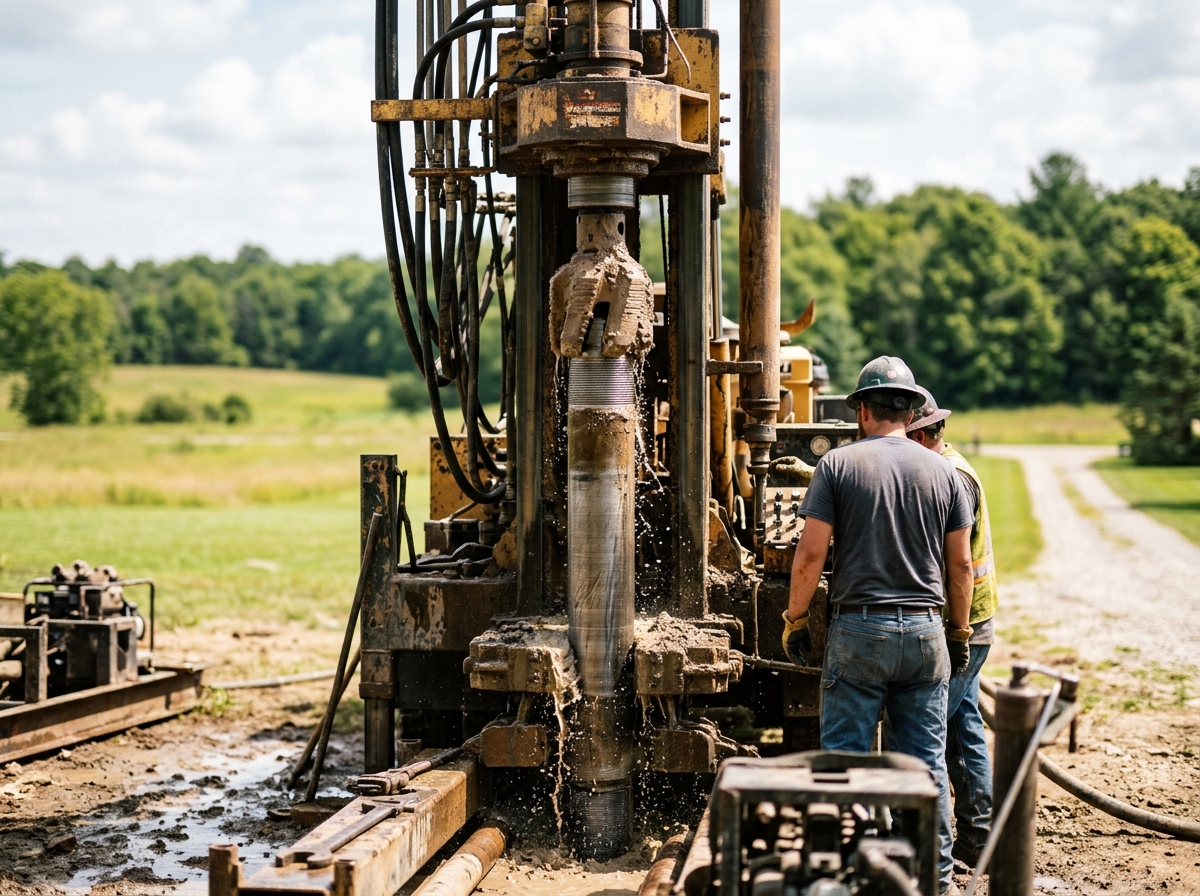
Modern drilling equipment can reach depths of several hundred feet if necessary. The drill creates a borehole, and as drilling progresses, casing (metal or PVC pipe) is inserted to prevent the hole from collapsing and to protect groundwater from surface contamination. Once water is reached and the well is properly constructed, a pump system is installed to bring water to the surface.
Site Selection and Permits in Gowen
Choosing the right location for your well is critical. Several factors influence site selection, including proximity to potential contamination sources like septic systems, livestock areas, or fuel storage. Michigan regulations typically require wells to be at least 50 feet away from septic systems and other contamination sources.
Before drilling begins, you'll need permits from your local health department. In Gowen and surrounding areas of Montcalm County and Kent County, permit requirements vary slightly by jurisdiction. Thompson Well Drilling handles the technical aspects of well construction, but property owners should work with their local health department to understand specific requirements.
Well location also matters for practical reasons. You'll want your well accessible for maintenance and future repairs, yet positioned to avoid interfering with building foundations, septic systems, or underground utilities. Professional drillers can help identify the optimal location based on water availability, geology, and your property layout.
Water well drilling Methods and Equipment
Several drilling methods exist, and the right choice depends on soil conditions, depth requirements, and project specifics.
Rotary drilling is the most common method for residential and commercial wells in Michigan. A rotating drill bit bores into the ground while drilling fluid cools the bit and carries soil cuttings to the surface. This method works well in most soil types and reaches significant depths efficiently.
Percussion drilling, also called cable tool drilling, uses a heavy bit that repeatedly strikes the ground. This older method is slower but can be effective in rocky or difficult soil conditions where rotary drilling struggles.
Air rotary drilling uses compressed air instead of drilling fluid, making it faster in certain conditions and producing less waste material. This method is often chosen when speed is important or in areas where drilling fluid disposal is complicated.
Thompson Well Drilling uses modern equipment appropriate for Gowen's geological conditions, ensuring efficient drilling and proper well construction that meets all Michigan regulations.
Understanding Well Depth and Water Availability
Well depth varies significantly based on local water table levels and geological formations. In Gowen and surrounding areas, shallow wells might reach 30 to 50 feet, while deeper wells extend to 150 feet or more.
Depth directly affects drilling costs and pump requirements. Shallower wells cost less to drill but may be more susceptible to seasonal water level fluctuations. Deeper wells access more stable water sources but require more powerful pumps to bring water to the surface.
A professional site evaluation can predict likely well depth before drilling begins. This helps with budgeting and understanding what to expect during the drilling process.
Well Construction and Casing Requirements
Proper well construction is essential for water quality and longevity. Casing prevents the borehole from collapsing and creates a seal that protects groundwater from surface contamination.
Michigan regulations specify casing materials and installation methods. Steel or PVC casing is typically used, installed as drilling progresses. Proper grouting between the casing and borehole walls creates an impermeable seal that prevents contamination.
The well head, where the casing meets the surface, must be properly sealed and elevated slightly above ground level to prevent surface water from entering. This is a critical detail that protects your water quality long-term.
Pump Systems and Water Delivery
Once the well is drilled and properly constructed, a pump system delivers water to your home or business. Submersible pumps, placed inside the well casing, are common for residential applications. Jet pumps, installed above ground, work for shallower wells.
Your pump capacity must match your water needs. A typical household requires 10 to 15 gallons per minute, while larger properties or businesses need higher capacity pumps. Pressure tanks store water and maintain consistent pressure throughout your plumbing system.
Thompson Well Drilling offers pump replacement and repair services, ensuring your well system operates efficiently long after the initial drilling is complete.
Water Testing and Quality Considerations
Before using well water, have it tested by a certified laboratory. Michigan's Department of Health and Human Services recommends testing for bacteria, nitrates, pH levels, and hardness.
Well water testing should occur after drilling is complete and before the well is used. Annual testing helps identify changes in water quality over time. If you experience water pressure issues or notice changes in water appearance or taste, additional testing may be warranted.
Common Questions About Water well drilling
Many property owners wonder about drilling timelines. Most residential wells take one to three days to drill and complete, depending on depth and soil conditions.
Cost is another common question. Residential well drilling typically costs between $3,500 and $8,000, with variations based on depth, soil type, and local factors. Permit fees, pump installation, and testing add to total project costs.
How long do wells last? With proper construction and maintenance, wells function for 30 to 50 years or longer. Regular maintenance, including pump servicing and occasional well rehabilitation, extends well lifespan significantly.
Why Choose Thompson Well Drilling in Gowen
Thompson Well Drilling brings extensive local experience to every project. Our team understands the geological conditions throughout Gowen, Rockford, Grand Rapids, and surrounding communities in Kent County, Montcalm County, Sonia County, and Gratiot County.
We handle not just initial drilling but also ongoing support. Whether you need water well repair and rehabilitation services, assistance with water pressure issues, or pump replacement and repair, Thompson Well Drilling provides comprehensive solutions.
Our commitment to quality construction ensures your well meets all Michigan regulations and provides reliable water access for decades. We work with local health departments, manage permitting requirements, and ensure every aspect of your well meets professional standards.
Water well drilling is a significant decision that impacts your property's water independence and long-term water costs. Understanding the drilling process, construction requirements, and what to expect helps ensure a successful project. Thompson Well Drilling brings professional expertise, local knowledge, and commitment to quality service to every Water well drilling project in Gowen and throughout Michigan. Whether you're planning new construction, developing land, or seeking water independence, our team is ready to help. Contact Thompson Well Drilling today to discuss your Water well drilling needs. Our experienced professionals will evaluate your property, answer your questions, and provide the reliable water access your property deserves.